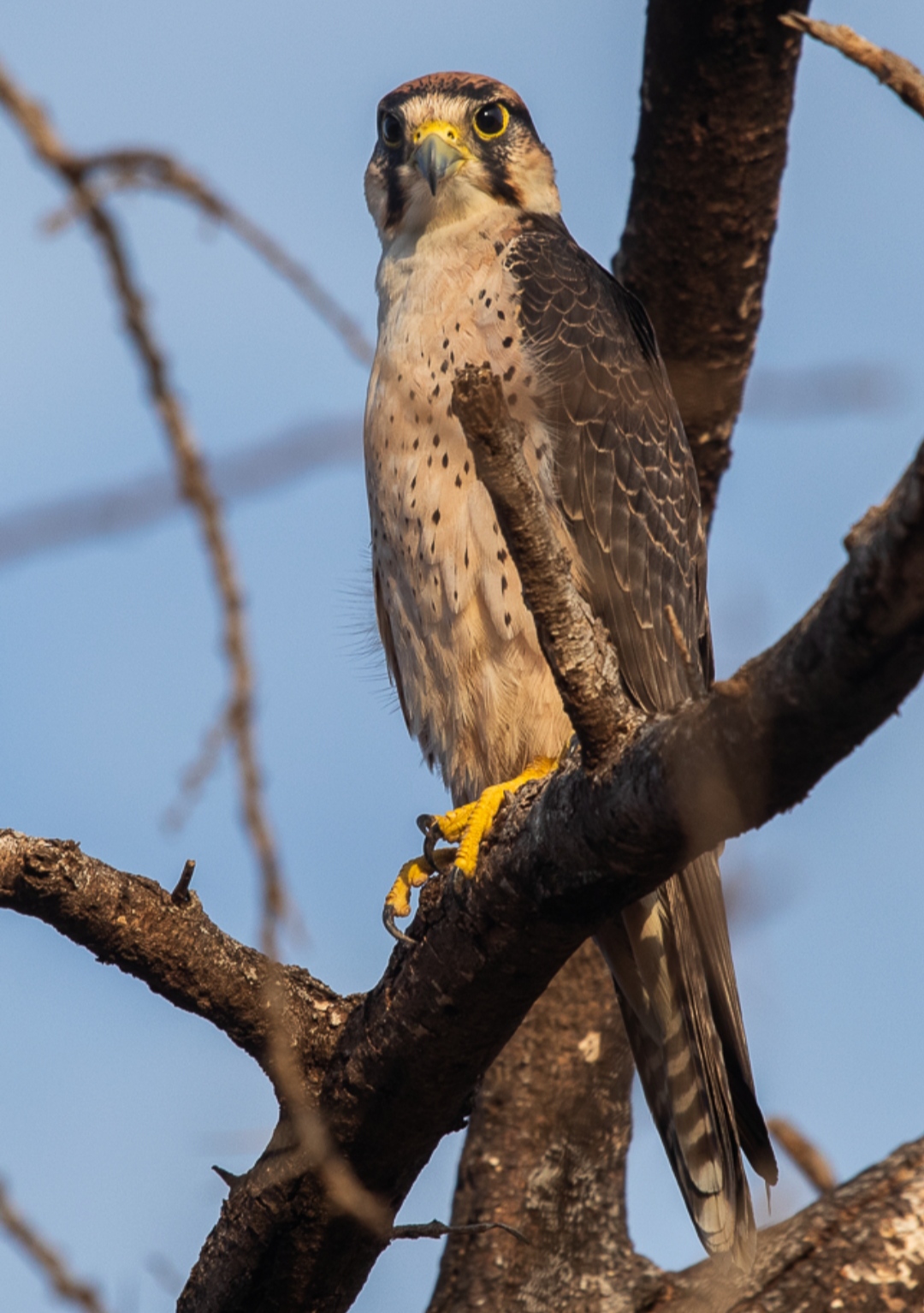
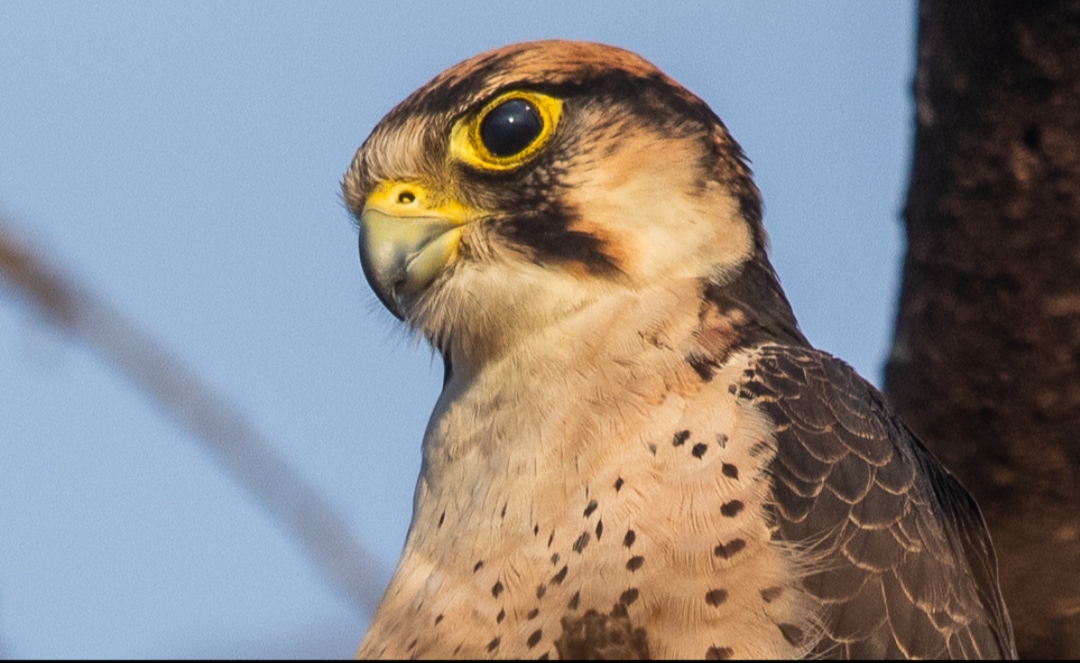
Size and Significance: The lanner falcon stands as the largest falcon breeding in East Africa.
Preferred Habitat: From deserts to forests, this versatile bird requires rocky crags for nesting, but won’t shy away from human settlements.
Kill Technique: Its talons seize the prey, but the final blow is delivered by its beak, severing the prey’s vertebrae instantly.
Vigil from the Skies: Often perched high, it uses keen eyesight to monitor its surroundings, always on the lookout for prey or potential threats.
Social Dynamics: Occasionally, they’ll form groups, especially when abundant prey is anticipated, like at grass fires.
Strategic Hunting: Lanner falcons may either chase down their prey, dive onto them from great heights, or skim the ground and cliff faces.
Lanner falcon is not just a bird of prey but an embodiment of strategy, adaptability, and power.
A petite raptor, the Taita falcon can be found in central and eastern Africa, famously originating from the Taita Hills in Kenya, which lends the bird its name.
Physical Traits: The Taita falcon, though small, is robust and has long wings complemented by a short tail, specializing in aerial hunting.
Distinguishing Features: At first glance, it might be mistaken for the African hobby. However, its white throat and unique rufous patches on the nape set it apart.
Potential Rivals: Its scarcity in East Africa might stem from competition with the more dominant peregrine falcon. Additionally, the threat extends to the young Taita falcons who face predation from not only peregrine falcons but also the larger lanner falcons and various owl species.
The Taita falcon, with its vivid plumage and distinct markings, stands as a testament to the diversity of raptors in East Africa.

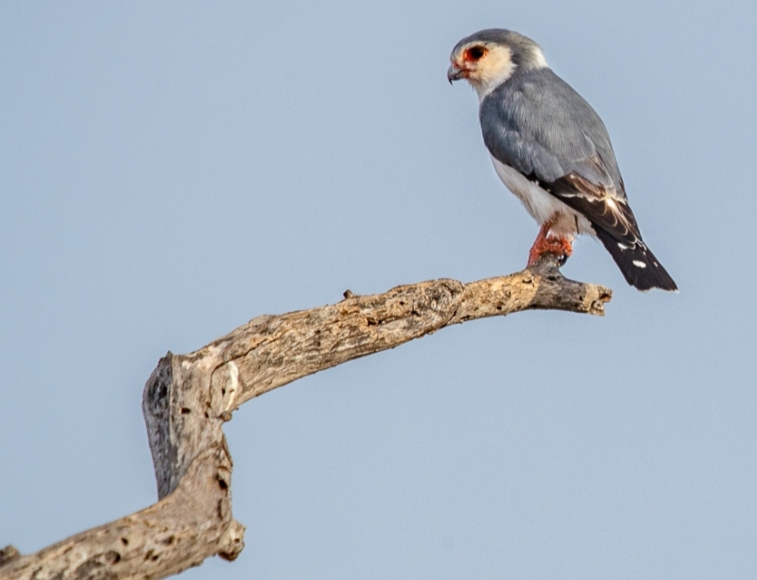
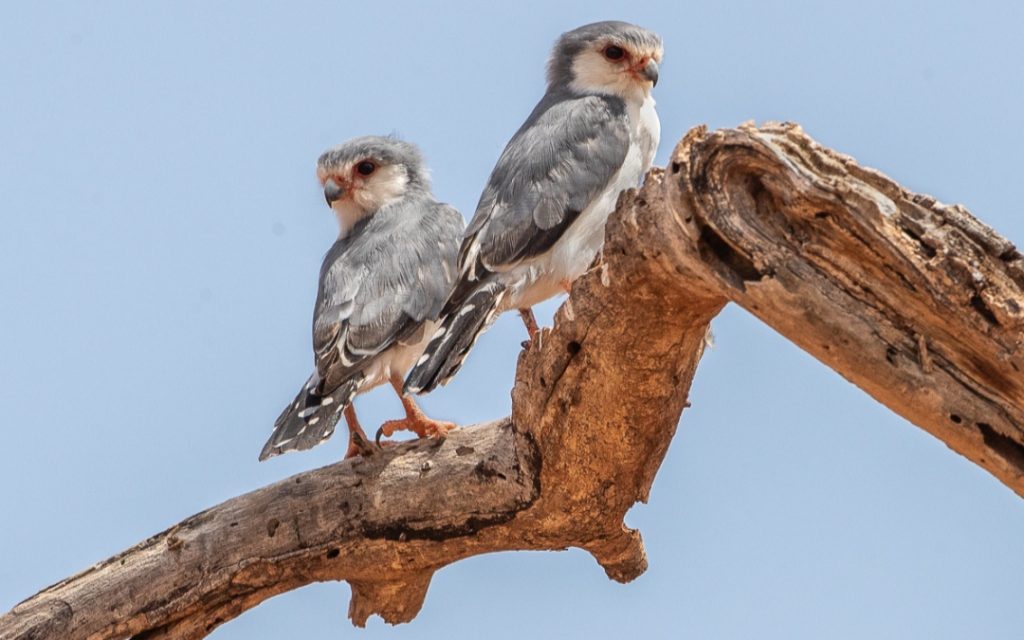
Size and Significance: Standing as the tiniest raptor in Africa, the pygmy falcon measures a mere 19 to 20 cm in length.
Dietary Habits: This diminutive predator feasts on insects, small reptiles, and tiny mammals.
Nesting Partners: In East Africa, these falcons have an intriguing relationship with the white-headed buffalo weaver, nesting within the weaver’s nests. The habitats of these two species intriguingly overlap.
Tenuous Relations: Surprisingly, while they have a taste for birds and are larger than sociable weavers, pygmy falcons mostly coexist peacefully with them.
Group Living: Some territories are uniquely occupied by groups of pygmy falcons, indicating a deviation from typical pair living. Multiple adults might tend to the nestlings.
East Africa’s petite raptor, the pygmy falcon, offers a fascinating glimpse into the complexities of avian behavior and interspecies relationships.
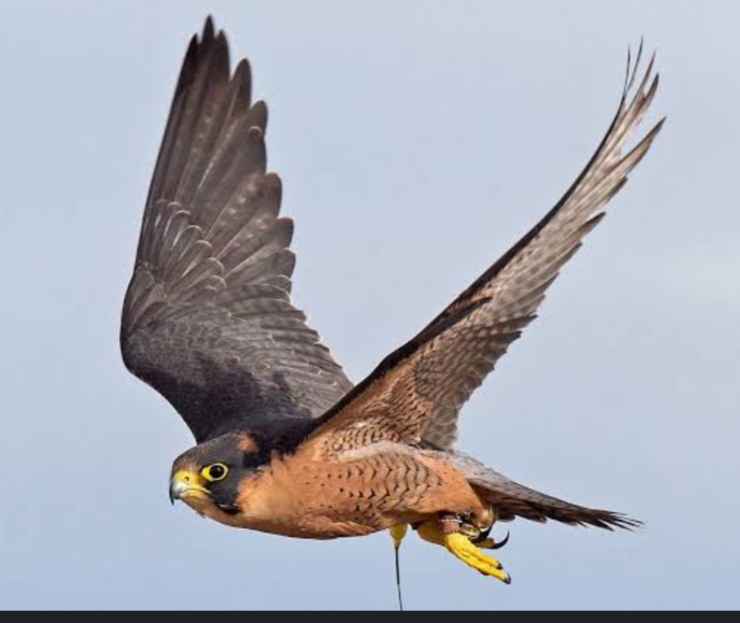
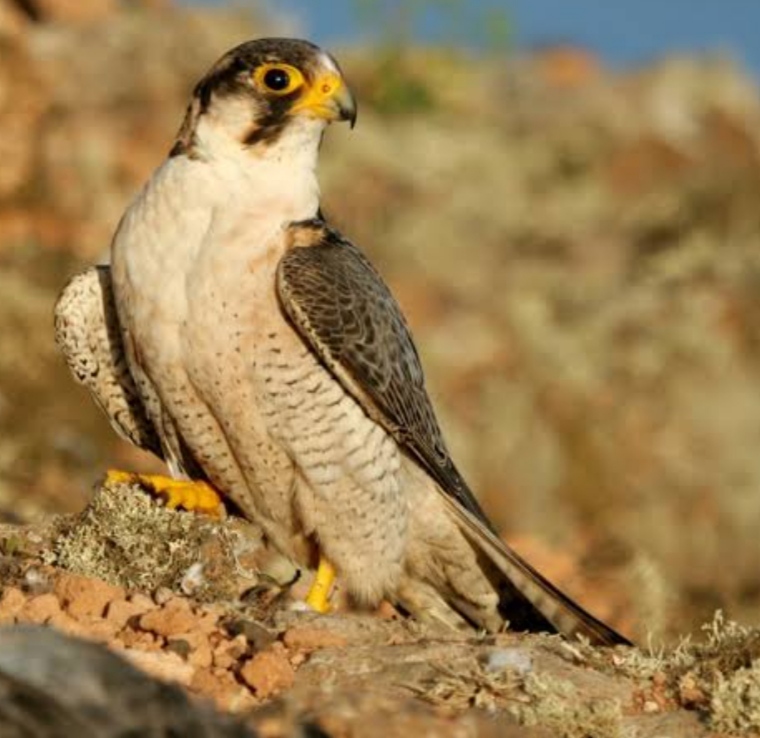
Taxonomic Debates: The Barbary Falcon, scientifically denoted as Falco peregrinus pelegrinoides or Falco pelegrinoides, now closely associated with the Peregrine group, has been a subject of debate regarding its species status.
Distinct Evolution: In East Africa, the Barbary Falcon stands out as the smallest yet most evolved of its kind.
Comparative Analysis: If it were placed near a Peregrine, it would likely become prey, though the more agile Barbary Falcon could likely evade the larger bird’s grasp.
Flying Prowess: The Barbary Falcon possesses a unique flight style, marked by agility and energy.
Habitat and Diet: It showcases distinct preferences in its environment and prey choices, differing from the Peregrine.
Temperament in Captivity: Those who’ve observed it up-close have noted its unique disposition when compared to the standard Peregrine.
The Barbary Falcon, with its rich historical significance and distinct traits, is more than just another raptor. It’s a symbol of evolution, history, and the intricate diversity within the avian world.
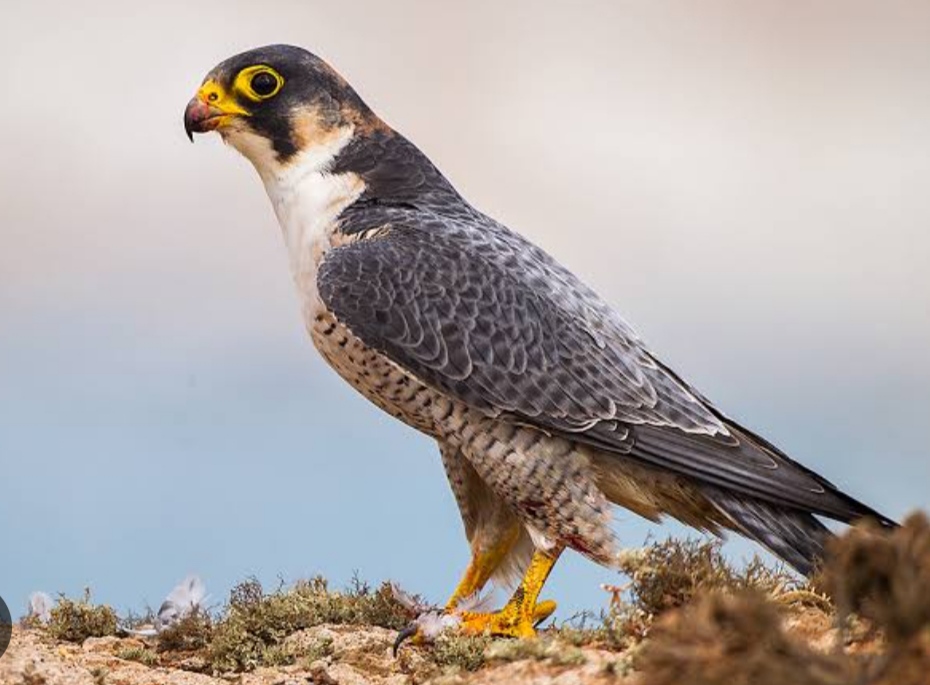
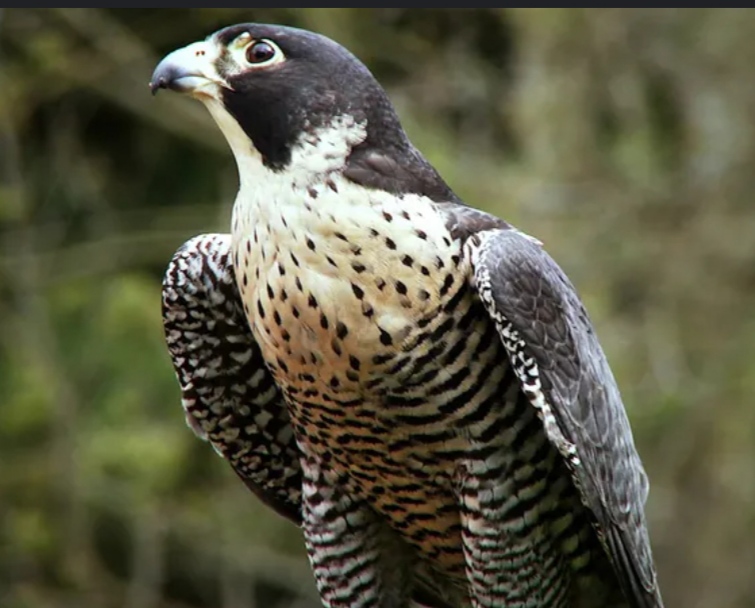
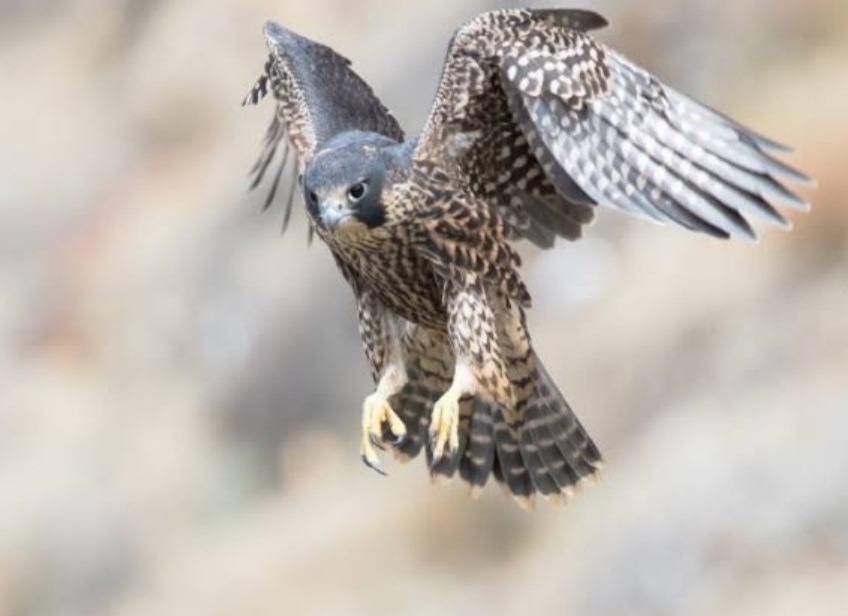
Speed and Precision: The speed enables the falcon to strike with such force that it can knock out game significantly larger than itself.
Range of Prey: Peregrine falcons can hunt anything from small birds to game much larger than themselves.
Specializations: Smaller subspecies, particularly males, excel at capturing agile game like doves and quail. In contrast, larger females can target powerful game such as large ducks, pheasant, and grouse.
Air-Traffic Safety: Peregrine falcons, under the guidance of falconers, play a pivotal role in airports, used to deter birds and thus reduce bird-plane collisions, enhancing safety.
The peregrine falcon, with its vast hunting repertoire and adaptability, is not just an icon in the realm of falconry but serves as a modern ally in ensuring air traffic safety.
Discover the majestic falcons of East Africa up close! Experience their grace, power, and beauty in their natural habitat. Don’t miss out on this once-in-a-lifetime adventure. Book your unforgettable journey with Classic Safaris now and soar into the heart of nature’s marvels! 🦅🌍🌅🛎️
Thank you for your interest in a private safari from Classic Safaris. You’re about to start on your own personal journey to East Africa. Please complete this interest form and we shall get in touch with you to discuss your trip.
Masai Lane 45, Karen
P.O.Box 66229-00800 Nairobi, Kenya.
info@classicsafaris.co.ke
+254716269009,
+254716269255
© 2026 Classic Safaris Ltd – All Rights Reserved

