Discover how conservation tourism is helping protect East Africa’s wildlife through private conservancies, community partnerships and responsible travel.
East Africa’s remarkable wildlife exists because of decades of dedicated conservation. While national parks remain central to protecting biodiversity, tourism has become one of the region’s most powerful conservation tools. Every safari contributes to safeguarding wildlife, supporting local communities and preserving landscapes that future generations will continue to explore.
Many of East Africa’s most successful conservation areas extend beyond national parks. Private conservancies and community-managed wildlife areas create protected corridors where animals can move freely between ecosystems while reducing pressure on fragile habitats.
In Kenya, conservancies such as Mara North, Lewa, Ol Pejeta and Loisaba demonstrate how conservation, tourism and local communities can work together to protect wildlife while creating sustainable livelihoods.
Conservation is most successful when local communities benefit directly from protecting wildlife. Across East Africa, tourism creates employment for guides, rangers, lodge staff, drivers, artisans and community-owned enterprises.
Many safari lodges also invest in education, healthcare, clean water projects and conservation training, ensuring tourism delivers lasting benefits beyond the visitor experience.
Responsible tourism has played a significant role in protecting some of Africa’s most threatened wildlife. Black rhinos have been successfully reintroduced to several protected areas, mountain gorilla populations continue to recover through carefully managed trekking programmes, and endangered species such as Grevy’s zebra and African wild dogs receive ongoing protection through conservation initiatives.
Visitor fees directly support many of these programmes, helping fund anti-poaching patrols, habitat restoration and wildlife monitoring.
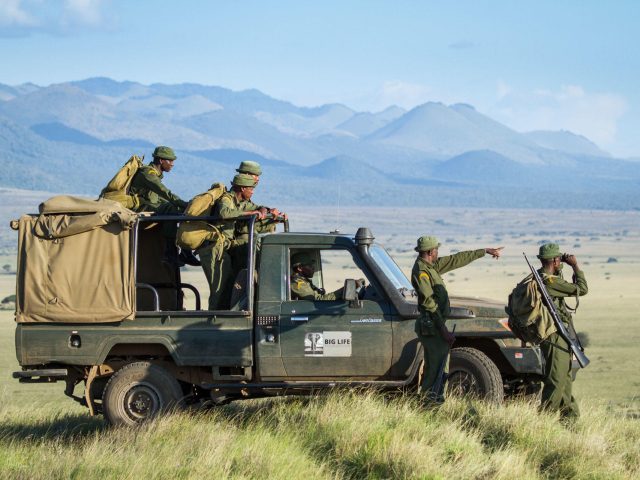
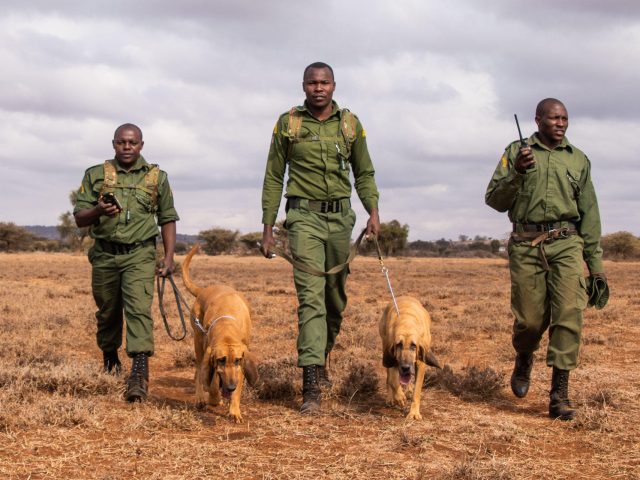
Choosing responsible safari operators and environmentally conscious lodges helps minimise the impact of tourism while supporting long-term conservation efforts. Many camps operate with solar energy, minimise waste, conserve water and actively participate in habitat restoration projects.
Travellers can also contribute by respecting wildlife viewing guidelines, avoiding single-use plastics where possible and supporting locally owned businesses during their journey.
A safari is more than an opportunity to observe wildlife. It is an investment in the future of East Africa’s extraordinary landscapes and the people who protect them every day.
By choosing responsible travel, visitors become part of a conservation story that extends far beyond their journey, helping ensure elephants continue to roam, predators thrive and future generations can experience the same remarkable wilderness that makes East Africa one of the world’s greatest safari destinations.
Thank you for your interest in a private safari from Classic Safaris. You’re about to start on your own personal journey to East Africa. Please complete this interest form and we shall get in touch with you to discuss your trip.
Masai Lane 45, Karen
P.O.Box 66229-00800 Nairobi, Kenya.
info@classicsafaris.co.ke
+254716269009,
+254716269255
© 2026 Classic Safaris Ltd – All Rights Reserved

