Meet the incredible Rhinoceros, or simply Rhino, a colossal herbivore known for its distinctive horned snout. The name “rhinoceros” itself is a Greek masterpiece, combining “rhino” (nose) and “ceros” (horn), perfectly encapsulating their defining feature. Despite their massive bodies and somewhat stumpy legs, rhinos have a quirky reputation for having not-so-great eyesight, yet their noses and ears are superhero-level sharp! What’s the rhino’s secret weapon? Those one or two dermal horns, making them stand out in the animal kingdom. Sadly, these majestic beings have faced a perilous journey, with humans hunting them nearly to extinction for their prized horns, used as trophies or ground into powder for folk medicine. It’s time to celebrate these horned wonders and work towards a future where rhinos roam freely and thrive!
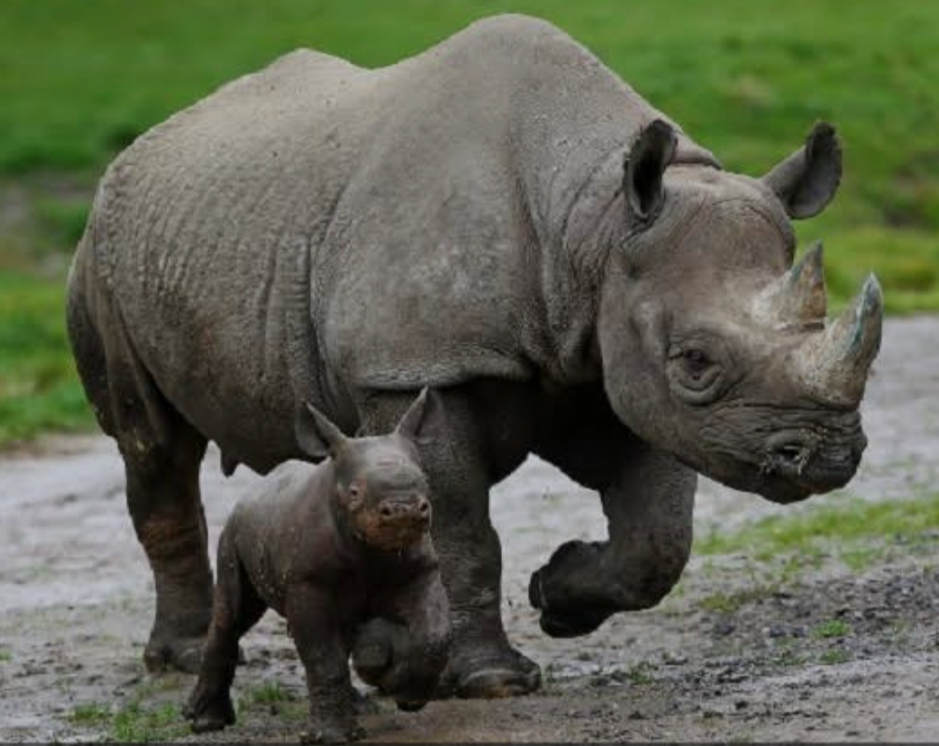
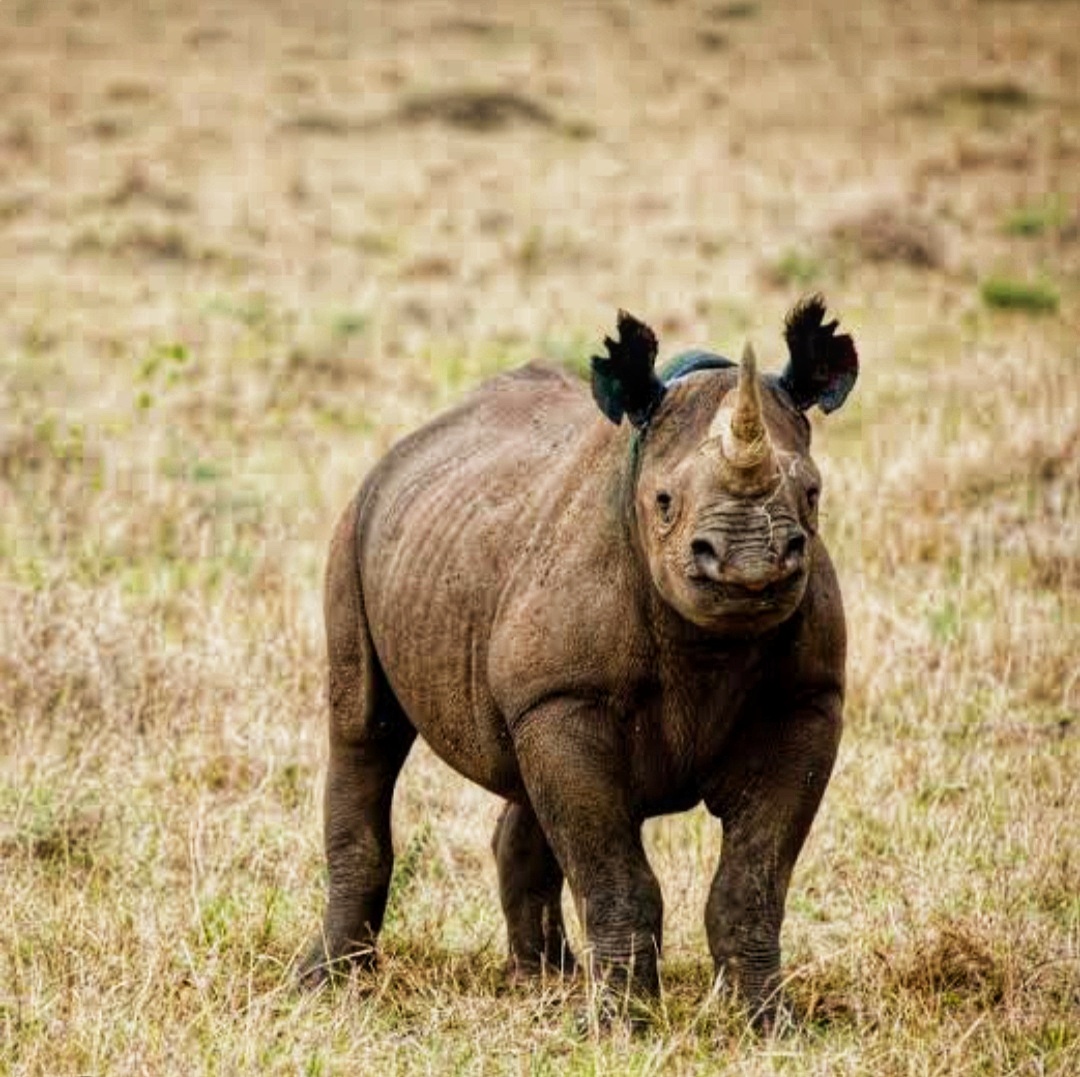
Contrary to the “black” in their name, black rhinos flaunt a dazzling array of colors, ranging from earthy browns to subtle grays. Nature’s fashionistas, these creatures embody the vibrant hues of their African habitat.
Meet the petite giants of the savanna! Black rhinos, while not colossal, wield a robust stature. Sporting a smaller skull, compact ears, and a regal posture with their heads held high, they exude an air of confidence as they navigate their habitat.
Dining habits? Oh, they’re practically food connoisseurs! Thanks to their unique hook-like upper lip, black rhinos are adept at grasping leaves and twigs with finesse. Picture it as having the perfect set of utensils for an exclusive, rhino-only banquet. While their white rhino counterparts are grass enthusiasts, these black beauties prefer the leafy side of life.
Now, brace yourselves for the superhero plot twist! Once critically endangered, black rhinos faced a perilous fate. However, thanks to relentless conservation efforts, their numbers have skyrocketed. In Kenya alone, they’ve staged a remarkable comeback, doubling their population in just 35 years.
Let’s clear the canvas! Despite the misleading names, white rhinos are not white, and black rhinos aren’t black. Blame it on a linguistic twist – “white” is a mispronunciation of the Dutch word “wijd,” meaning wide. So, it’s not about colors, but the width of their lips. The plot thickens when you realize black rhinos get their name from their love for mud, not their hue.
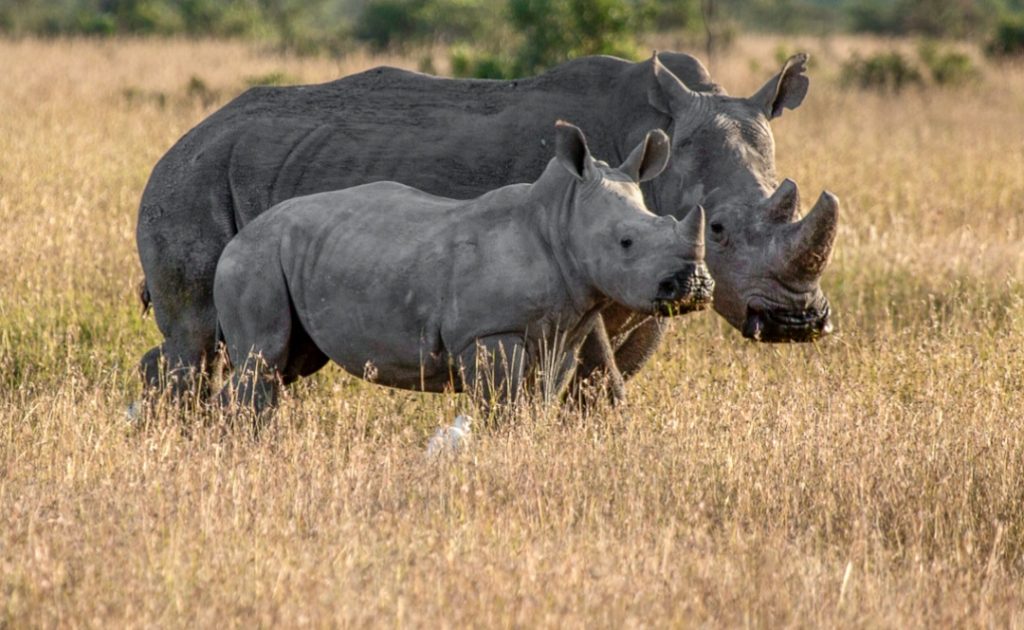
The white rhinoceros, our heavyweight champion, boasts a wide mouth tailored for grazing. They’re social butterflies, living in herds (or “crashes”) of up to 14 members, mostly composed of fabulous females. Bulls, on the other hand, are more like lone wolves, living the solo life. As pure grazers, white rhinos devour the shortest grains of grass and have a knack for chilling in mudholes to cool off – a spa day in the savannah!
Love is in the air for these majestic creatures! Courtship may be a bit tricky, with the male bravely pursuing the female, squealing and wailing for attention. After a half-hour of intense copulation, breeding pairs stick together for 5–20 days before parting ways. The gestation period is a whopping 16 months, resulting in the birth of a single calf weighing 40–65 kg. Now, that’s a big bundle of joy!
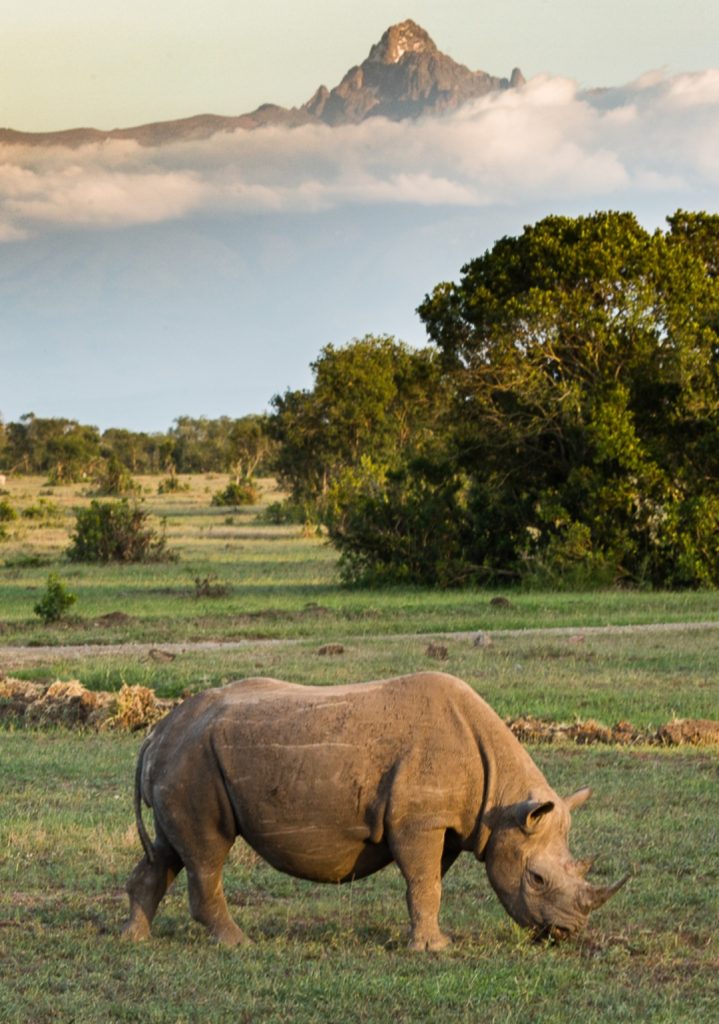
Thank you for your interest in a private safari from Classic Safaris. You’re about to start on your own personal journey to East Africa. Please complete this interest form and we shall get in touch with you to discuss your trip.
Masai Lane 45, Karen
P.O.Box 66229-00800 Nairobi, Kenya.
info@classicsafaris.co.ke
+254716269009,
+254716269255
© 2026 Classic Safaris Ltd – All Rights Reserved

