A safari offers countless opportunities to photograph wildlife in its natural habitat, from elephants moving across open plains to a leopard resting in the branches of an acacia tree. Capturing these moments takes more than a good camera. Patience, observation and an understanding of animal behaviour can make a significant difference to your photographs. Before setting out, familiarise yourself with your camera settings and consider carrying a telephoto lens to photograph animals from a respectful distance.
Lighting and timing are equally important. Early mornings and late afternoons often provide softer, warmer light that brings out the details in an animal’s coat, feathers or surroundings. These hours can also offer excellent opportunities to photograph wildlife as animals become more active. Experiment with different compositions, placing your subject slightly off-centre or including elements of the surrounding landscape to give your images a stronger sense of place. For moving animals, a faster shutter speed can help capture sharp, detailed images.
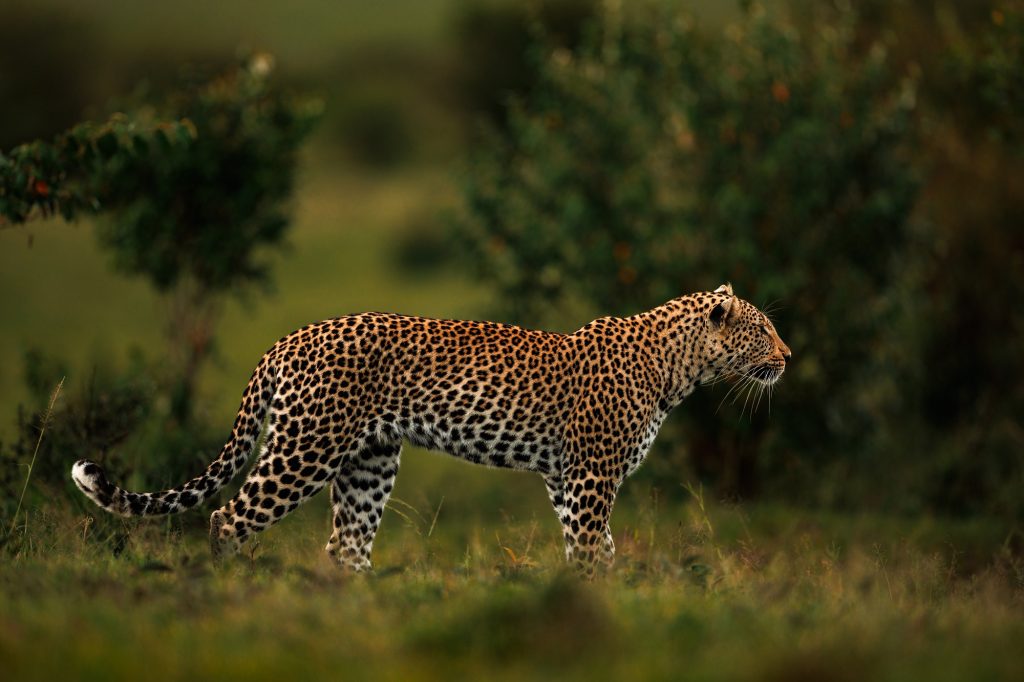
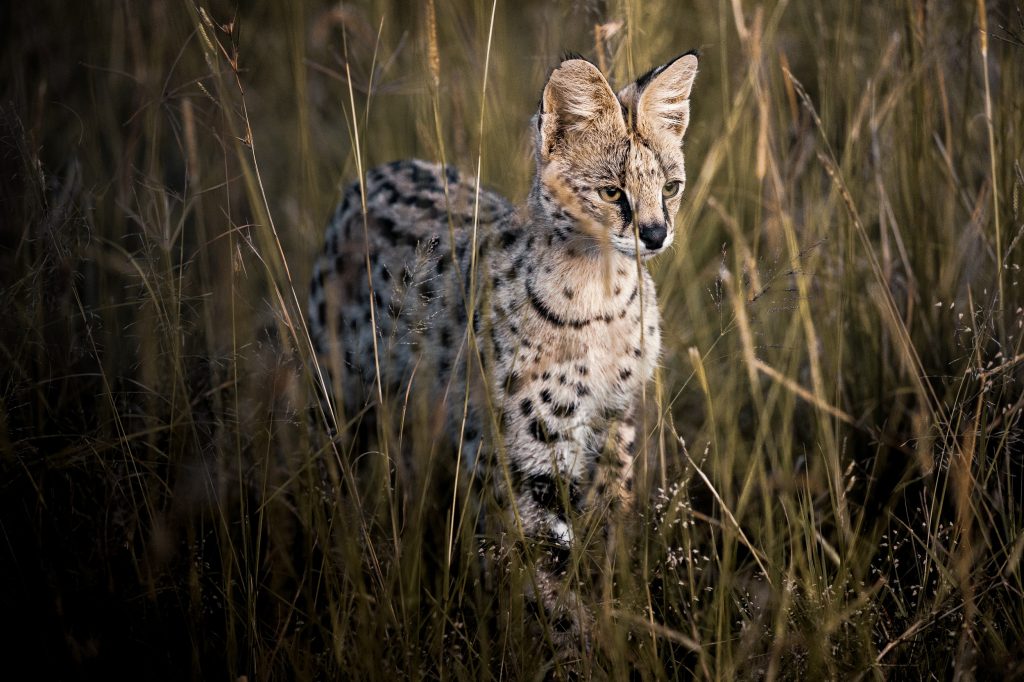
Above all, let the experience guide your photography. Observe the animals before raising your camera and look for natural behaviours such as a herd interacting, a bird taking flight or a lioness moving through the grass. Avoid directing the driver to approach too closely or disturbing wildlife for a photograph. A knowledgeable safari guide can help identify interesting sightings and position the vehicle responsibly. The most memorable safari photographs are often those that capture a genuine moment, preserving not only what you saw but also the atmosphere of being in the African wilderness.
Masai Lane 45, Karen
P.O.Box 66229-00800 Nairobi, Kenya.
info@classicsafaris.co.ke
+254716269009,
+254716269255
© 2026 Classic Safaris Ltd – All Rights Reserved

